
Driveology®
FBL Financial Group, IncAuto & Vehicles
4.4436.00 Reviews
- Version
- fbfs-v2.2.0.0-96254-g35a7879-prod
- Installs
- 50.00K
- Age Rating
- Everyone
Screenshots
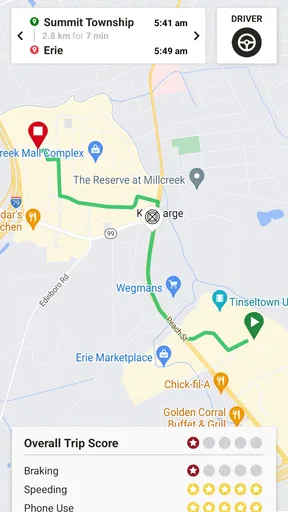
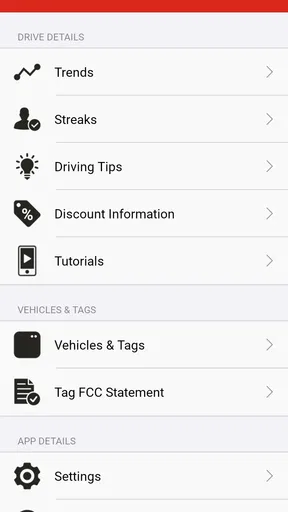
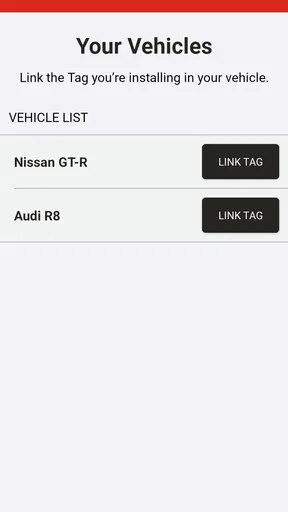
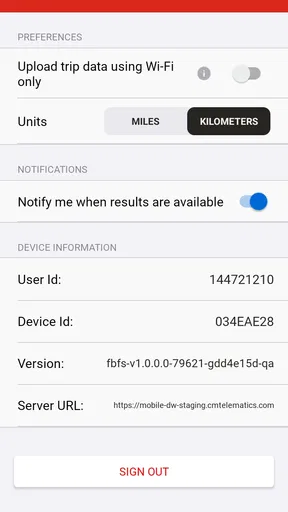
Our Review of Driveology®
 Analysis by Appyee
I approached Driveology® as a practical driving companion rather than another app that simply tells me to be safer. It comes from FBL Financial Group, Inc and sits in the Auto & Vehicles category, with a clear focus on helping drivers think about their habits behind the wheel. The app is free, rated for Everyone, and its store summary presents it as “The Science of Safe Driving.” That description gives the right general idea, but the useful question is how well it fits into everyday driving.
My overall impression is that this is best suited to someone who wants a more deliberate relationship with driving. It is not the sort of tool I would open for entertainment, route planning, or vehicle maintenance. Instead, its value is connected to awareness: noticing how I drive, considering the decisions I make in ordinary traffic, and using that awareness to become more consistent. That makes it especially relevant to newer drivers, families trying to encourage better habits, and people who want a safety-focused addition to their regular driving routine.
How Driveology® fits into real driving
The strongest part of the concept is its narrow purpose. Many Auto & Vehicles apps try to cover navigation, fuel prices, parking, roadside help, service reminders, or car specifications. Driveology® takes a different path by centering the driver rather than the vehicle. That distinction matters because a polished navigation app can help me reach a destination, but it cannot by itself make me less distracted, less impatient, or more thoughtful in difficult traffic.
I found the idea most useful when treated as a habit-building tool. A driver can install it with the intention of becoming more attentive, then use the experience as a prompt to reflect on repeated choices. For example, a commute that feels routine can still include hurried lane changes, following too closely, checking a phone at red lights, or accelerating aggressively after a delay. A safety-oriented app has value when it makes those moments easier to recognize instead of allowing them to disappear into the normal rhythm of the day.
That also explains why I would not compare this directly with a navigation replacement. If I need turn-by-turn directions, live traffic information, or a map, I would still choose a dedicated navigation service. If I need maintenance records, I would look for a vehicle-management tool. Driveology® belongs in a different space: it supports the human side of driving. Its appeal depends less on how many extra utilities it includes and more on whether its approach helps me pay attention to my own behavior.
A realistic everyday routine
Imagine a driver leaving work late, knowing that a child needs to be picked up before closing time. The route is familiar, but traffic is heavier than expected. The temptation is to rush, react sharply to other drivers, and treat every delay as a personal obstacle. This is the kind of situation in which a safe-driving service can be more meaningful than it first appears. The app cannot remove the traffic or change other people’s decisions, but it can reinforce a calmer standard for the driver using it.
I would use it before or after a commute rather than while moving. Before starting, I could set a simple intention: keep my attention on the road, leave more space, and avoid turning lateness into aggressive driving. After arriving, I could consider whether the trip matched that intention. That workflow is deliberately simple, but it is more realistic than expecting someone to study a long lesson during a busy journey. The best results come from using Driveology® as a short reflection around driving, never as something that competes with driving itself.
This is also where the app may work well for a household with a younger driver. A parent can use the topic of safe driving as a conversation starter without making every discussion about punishment or mistakes. The driver still needs personal responsibility, but a structured safety focus can make those conversations less vague. Rather than saying “be careful,” a family can talk about attention, patience, and the choices that tend to change when someone is tired or under pressure.
Who is likely to benefit most
I see the clearest fit for people who are willing to examine their own habits. New drivers may appreciate a safety-centered framework because they are still forming routines. Experienced drivers can also benefit, particularly if they have become overconfident through years of uneventful trips. Familiarity often creates its own risk: a route feels easy, so attention becomes less intentional. A reminder to reassess those habits can be worthwhile.
The app may also suit drivers who want something less technical than a vehicle diagnostic tool. Not everyone wants tire-pressure readings, maintenance schedules, or fuel calculations. Some people simply want help keeping safe driving visible in their daily life. For them, the focused nature of Driveology® is an advantage rather than a limitation.
On the other hand, I would skip it if my main goal is navigation, emergency assistance, or detailed vehicle data. It is also not the right choice for someone expecting an app to automatically solve unsafe behavior. No application can compensate for using a phone while driving, driving when exhausted, or ignoring road conditions. The user has to engage with the safety message honestly, and that makes the experience more reflective than automatic.
What the current release tells me
The current version is identified as fbfs-v2.2.0.0-96254-g35a7879-prod. That technical version name is not especially friendly to ordinary users, but it does identify the build currently associated with the production app. I would not treat the version string alone as proof of a major redesign or a particular new feature. What it does tell me is that the app is being maintained as a live product rather than existing only as an abandoned concept.
The app was released on June 5, 2023, so its presence is relatively recent compared with long-established driving utilities. That matters when setting expectations. A newer safety-focused product may feel more specialized and less crowded than a mature navigation platform, but it may also have a smaller ecosystem and a less extensive history of refinements. I prefer to judge it by whether its current approach is useful, not by assuming that a recent release automatically means it is more advanced.
Its public reception is encouraging without being a reason to stop evaluating it critically. Driveology® holds a 4.4 average from around 910 ratings, with roughly 436 written reviews, and it has passed 50 thousand installs. Those figures suggest that the app has reached a meaningful group of users and that the general response is positive. They do not guarantee that every driver will find the same value. A person looking for a map, a car scanner, or a maintenance log could still reasonably decide that this is not the tool for them.
What changes mean for people already using it
For an existing user, the most important question is not whether a version number looks newer but whether the daily experience remains dependable and understandable. A safety app needs to fit quietly into a routine. If an update changes how I access guidance, review information, or think about my driving, the change should support clarity rather than create extra work.
I would approach the current build with a simple check after updating: confirm that the app opens normally, review any visible changes before driving, and avoid exploring unfamiliar screens on the road. This sounds obvious, but it is a useful distinction for a product connected to driving. A navigation app can sometimes be learned while parked at a roadside; a safety-focused app should also be learned while stationary, because the entire purpose is to reduce distractions during a trip.
Existing users should also separate an app update from a change in personal habits. A newer build can improve the product, but it cannot make a driver attentive without participation. I would keep the useful parts of an established routine, such as reviewing the app before a regular commute, while checking whether the current version makes that routine easier or more cumbersome. If the experience starts to feel like another notification to dismiss, the user may need a simpler schedule rather than more frequent interaction.
One practical tip is to connect use with a specific driving trigger instead of opening the app randomly. I might review it before a long trip, after receiving a traffic citation, when teaching someone to drive, or during a period when I notice myself becoming impatient. Those moments give the safety message a real context. Opening it every day without thinking may create repetition; opening it when a decision matters can make the guidance more memorable.
Where the focused approach still leaves gaps
The same focus that makes Driveology® distinctive can also make it feel limited beside broader driving apps. Someone who wants one application to manage directions, fuel spending, service appointments, parking, and safe-driving education may prefer a more comprehensive package. Driveology® is not a substitute for those categories simply because it appears in the same broad Auto & Vehicles area.
There is also a motivational gap that no safety app can completely close. Drivers often agree with safe-driving principles but behave differently when they are late, stressed, tired, or surrounded by aggressive traffic. A thoughtful review of habits is useful, but it may not be enough for someone who needs direct coaching, professional instruction, or a firm external accountability system. In that situation, a driving lesson or a conversation with an experienced instructor may do more than another session inside an app.
Another trade-off is privacy and attention in the broadest practical sense. Even when an app is designed around safety, I still want to understand when I am expected to interact with it and whether that interaction can wait until I am parked. My rule would be straightforward: if a screen, prompt, or activity demands concentration, I postpone it. The app should support safer decisions, not become a new source of distraction.
I would also avoid judging success by how often I open it. Frequent use can look impressive but may not equal safer driving. A better measure is whether the app changes a specific choice: leaving more space, waiting rather than forcing a merge, putting the phone away, or slowing down when conditions become difficult. That is a more demanding standard, but it is the one that matters.
How it compares with familiar alternatives
Compared with navigation apps, Driveology® is less about the road ahead and more about the person behind the wheel. Navigation tools excel at routes and destinations; they are indispensable when I do not know where I am going. Driveology® is more relevant when I already know the route but want to improve how I travel it.
Compared with telematics or insurance-oriented driving tools, its appeal is likely to be the safety conversation rather than a purely technical record of vehicle behavior. A data-heavy service may be better for users who want detailed trip measurements or driving scores. A more reflective app may be better for someone who responds to guidance and self-assessment than to dashboards and numbers. The right choice depends on whether I am trying to measure driving, manage a car, or change my mindset.
Compared with driver-training courses, the app is more convenient but less personal. A course can adapt to a learner’s mistakes and provide direct feedback. An app can be revisited privately and fit around a busy schedule. I would see Driveology® as a useful companion to responsible practice, not as a replacement for supervised instruction when someone is still learning the fundamentals.
This comparison also clarifies who should download it. If I want a free, Everyone-rated tool from FBL Financial Group, Inc that keeps safe driving at the center, it is a sensible option to try. If I want a single dashboard for every vehicle-related task, I would choose something broader and accept that its safety guidance may be less specialized.
What I would watch as the product develops
Because the app is still a relatively recent product, I would watch how its current direction develops rather than assuming what future releases will contain. The most valuable progress would be anything that makes safety guidance easier to understand, easier to revisit while parked, and more relevant to different driving situations without turning the experience into a distracting checklist.
I would also pay attention to how well the app serves both new and experienced drivers. Beginners need clear explanations and practical examples. Experienced drivers need fresh prompts that do not feel patronizing or repetitive. Balancing those audiences is difficult, and it will be a meaningful test of the product’s long-term usefulness.
For current users, my advice is to keep expectations grounded. Use the app as a deliberate reminder, give it your attention only when the vehicle is safely stopped, and connect its lessons to one behavior you can actually change. Do not expect it to replace navigation, emergency support, instruction, or good judgment. Its contribution is narrower, but that narrowness can be valuable when it matches what you need.
After trying to view Driveology® as part of a normal driving routine, I came away thinking of it as a focused safety companion rather than an all-purpose motoring app. It is free, accessible to Everyone, and supported by a solid user response, while its current production version shows that the project remains active. The experience makes the most sense for someone who wants to build awareness around everyday decisions, especially on familiar routes where complacency is easy.
My recommendation is positive, with one condition: you must want to participate in the reflection. If you are looking for maps, repairs, fuel tools, or automatic answers, choose a specialized alternative. If you want a straightforward way to keep safe-driving habits in view and use that focus before or after real trips, Driveology® is worth considering. I would not treat it as a guarantee of safer behavior, but I would treat it as a useful prompt to make safer behavior more intentional.
Verdict
Strengths of Driveology®
- Encourages safer driving through personalized feedback and driving insights.
- Tracks driving behavior automatically, reducing the need for manual data entry.
- Can help identify habits that may increase fuel use or vehicle wear.
- Useful for monitoring progress toward smoother, more responsible driving.
- Provides a convenient digital record of trips and driving patterns.
Limitations of Driveology®
- Continuous location tracking may raise privacy concerns for some users.
- Background tracking can contribute to battery consumption on longer trips.
- Driving scores may be affected by phone placement or sensor accuracy.
- Some features may depend on device compatibility or active permissions.
- Frequent feedback can feel distracting or overly critical to certain drivers.
Similar Picks in This Category
View All
Android Auto
Google LLC4.1

maxim — order a taxi & food
PT. SITO4.7

Штрафы ГИБДД: проверка с фото
Pays LLC – Штрафы ГИБДД4.7

Номерограм – проверка авто
Авто Ассист4.8

Дром Авто
Дром4.9

Frequently Asked Questions
What is Driveology® and what does the app do?
Driveology® is a driving-focused mobile application designed to help users monitor, understand, and improve their driving habits. Depending on the connected services and device permissions, it may record information such as trips, mileage, driving behavior, routes, or vehicle-related data. Its main value is turning everyday driving information into useful feedback, although the exact features can vary by region, account type, and supported vehicle or insurance program.
Is Driveology® compatible with my Android or iPhone?
Before downloading Driveology®, check the app store listing for the current Android and iOS requirements, because compatibility can change after updates. The experience may also depend on whether your phone supports the required location, motion, Bluetooth, or background-activity functions. Some features can require a compatible vehicle device, an enrollment invitation, or participation in a supported Driveology® program, so installing the app alone may not activate every function.
What permissions does Driveology® require, and why?
A driving-monitoring app commonly requests access to location, motion and fitness activity, Bluetooth, notifications, and background operation. These permissions allow Driveology® to identify trips and collect driving-related information even when the app is not open on screen. You should review each request carefully and read the privacy policy before accepting. Restricting permissions may improve privacy, but it can also prevent accurate trip detection or disable important features.
Does Driveology® affect insurance rates or provide discounts?
Driveology® may be connected with a telematics, safe-driving, or insurance-related program, but the effect on your premium depends on the provider, policy, location, and program rules. The app itself should not be assumed to guarantee a discount. Driving scores, recorded trips, participation periods, and eligibility requirements may all be considered. Review the official terms supplied by your insurer or program administrator to understand possible savings and any consequences of participation.
How accurate is Driveology® when recording trips and driving behavior?
Driveology® can provide useful driving insights, but no smartphone-based monitoring system is perfect. GPS signal quality, battery-saving settings, phone placement, Bluetooth connections, poor reception, and driving in tunnels or parking structures can affect trip detection and recorded data. For the best results, keep the app updated, allow the necessary background permissions, and secure your phone properly. Always prioritize safe driving and never interact with the app while driving.
